
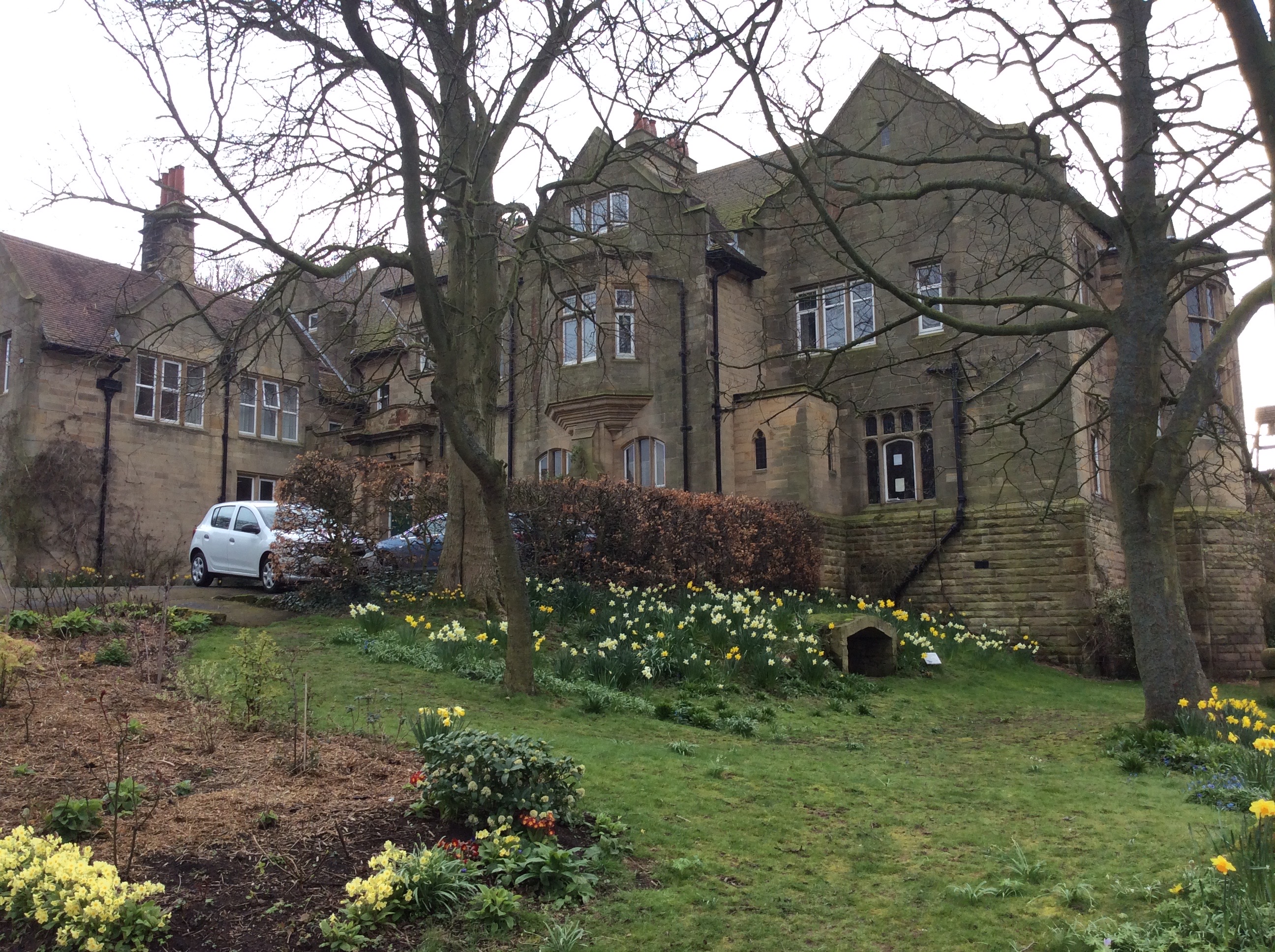
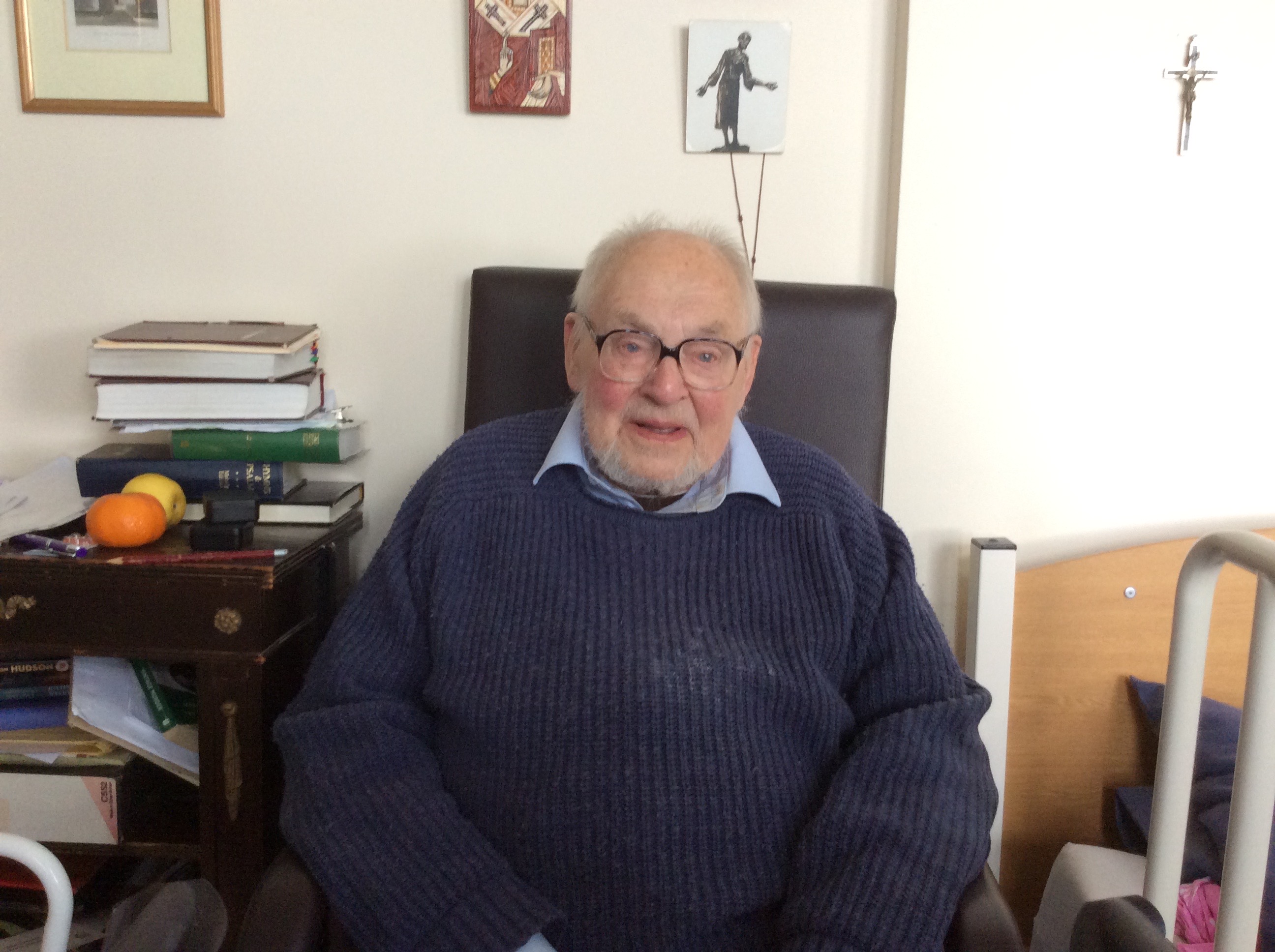
Among the most memorable and spiritually enriching experiences of my life were my visits to the communities of the Society of Saint Francis in the United Kingdom. I was afforded the opportunity to spend time with the First Order of Brothers at Alnmouth in Northumberland and to encounter at first hand the simplicity, prayerfulness, and hospitality that characterise the Franciscan way of life.
I stayed at Alnmouth for three nights. From the moment of my arrival, I was conscious that this was a community shaped by a different rhythm from that of the modern world. Life revolved around prayer, worship, work, fellowship, and hospitality. The brothers gathered for worship four times a day, and the whole pattern of community life seemed ordered around the desire to place God at the centre of every activity.
The accommodation was simple and comfortable. Meals were uncomplicated but wholesome, prepared by the brothers themselves and shared in a spirit of fellowship. Nothing appeared excessive or unnecessary. Everything reflected the Franciscan virtues of simplicity and poverty, not as hardship but as a joyful freedom from unnecessary possessions and distractions.
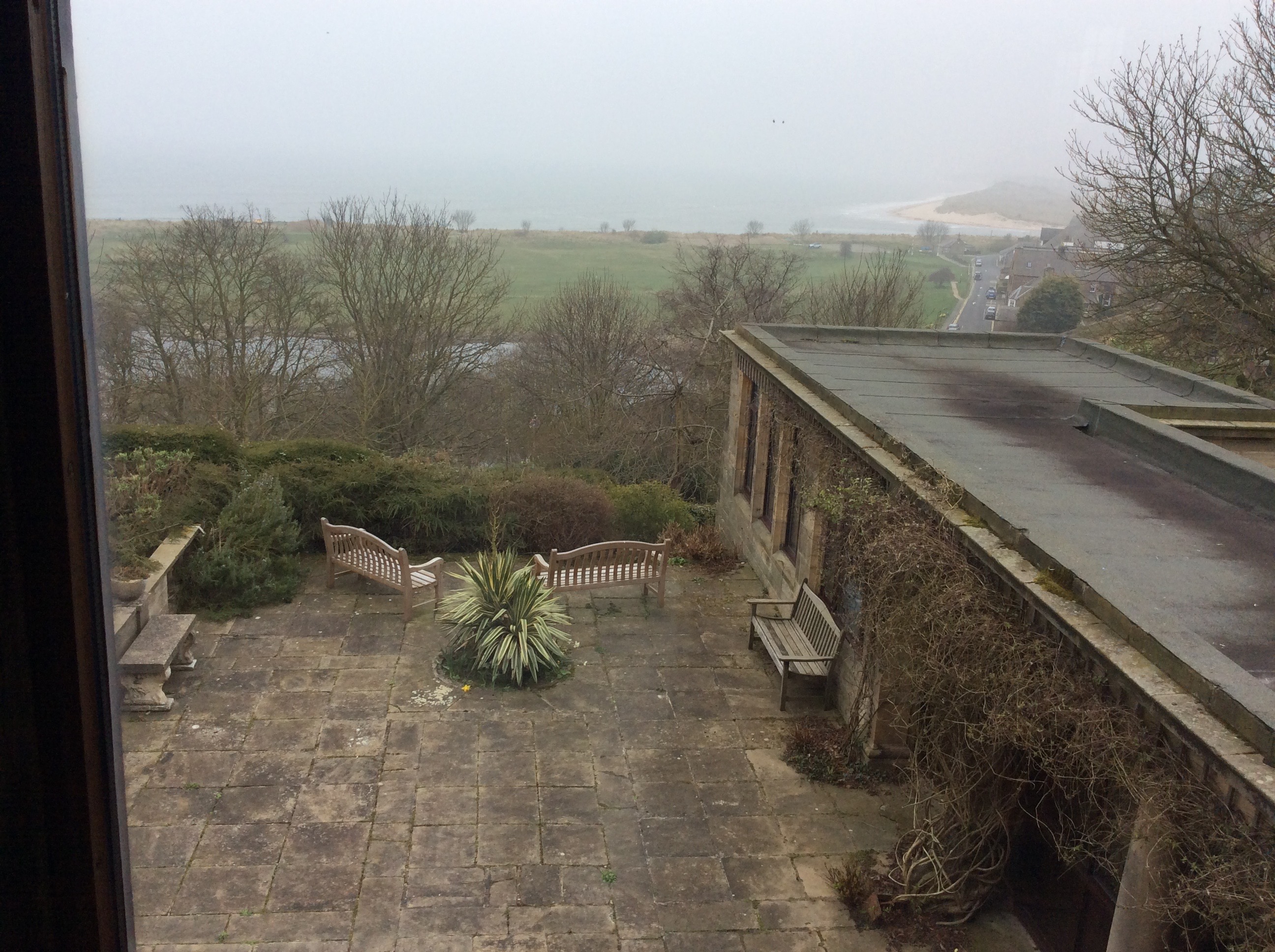
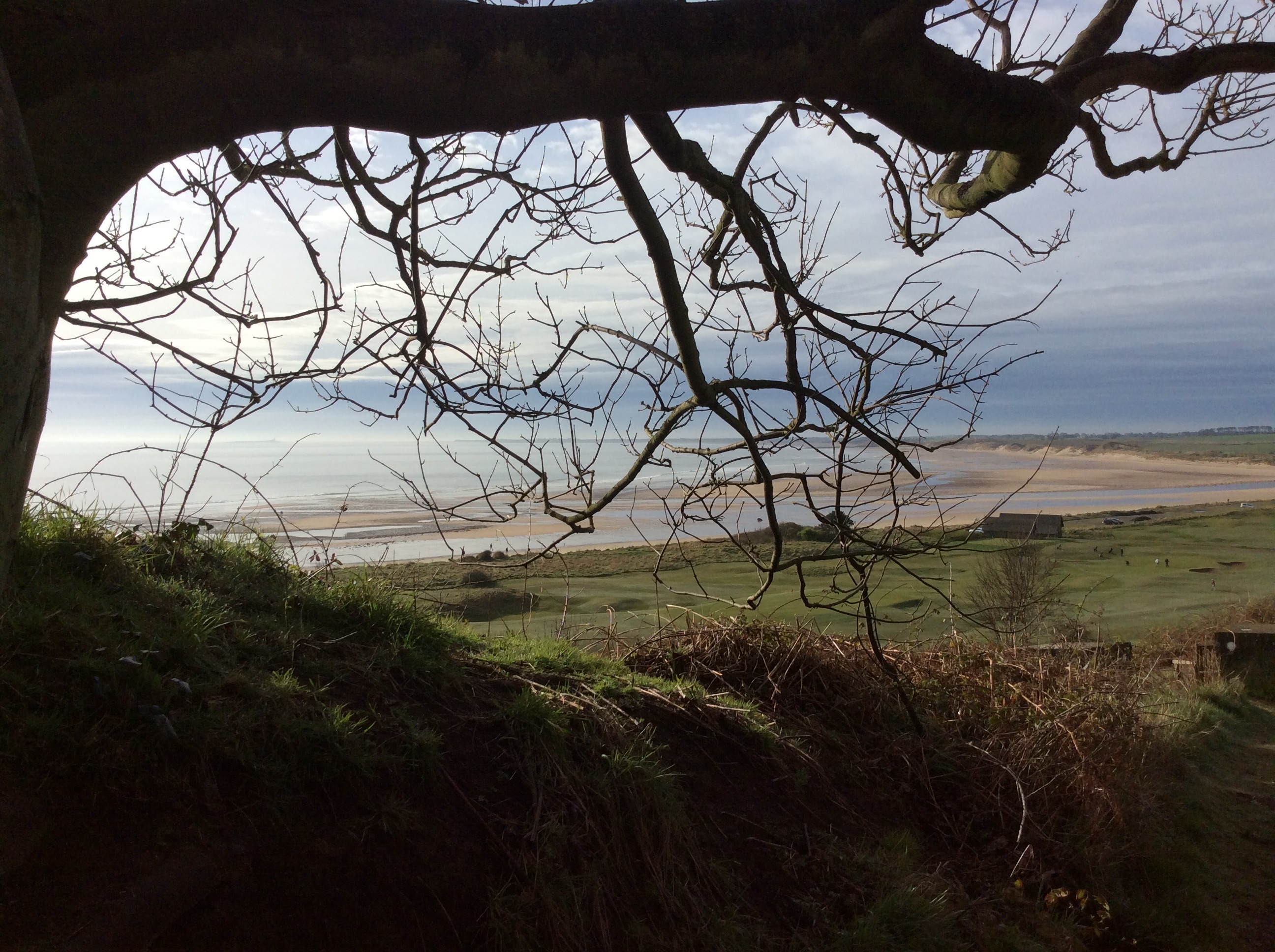
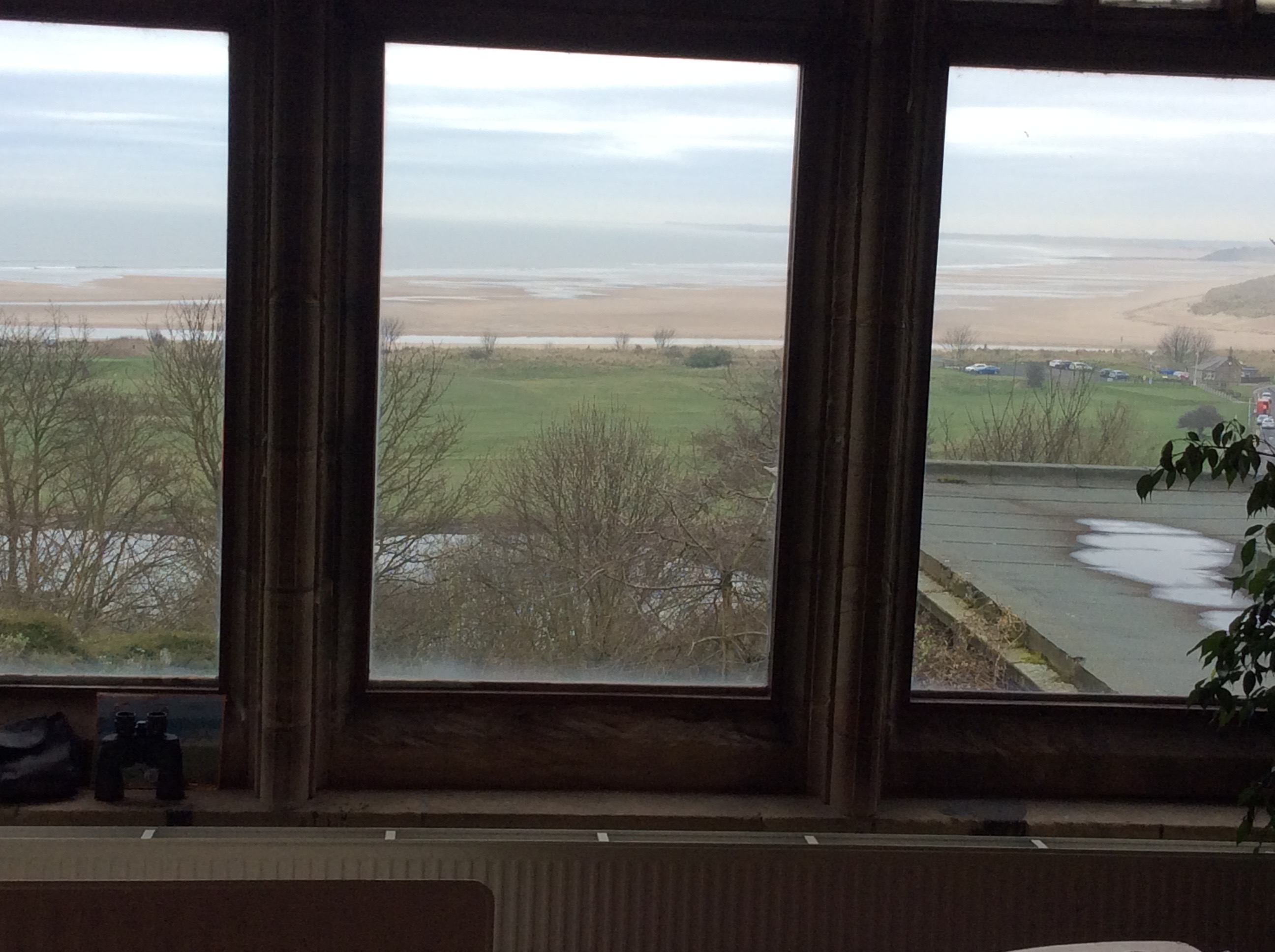
The setting of the community was magnificent. Situated near the Northumberland coastline and overlooking the North Sea, it offered some of the most beautiful scenery I have ever experienced. The beach, the rocks, and the sea were remarkably clean. So clean, in fact, that I encountered a bait digger searching for worms in the sand, something I had not seen since my childhood in Margate. It brought back memories of an earlier time when such sights were commonplace.
I spent many hours walking along the shore, listening to the cry of seabirds and the gentle sound of waves lapping against the sand. The beach possessed a sense of peace and natural beauty that invited quiet reflection. As we climbed over the rocks, we discovered a series of beautiful rock pools, each revealing its own miniature world of marine life. The fresh sea air and the ever-changing sea and sky combined to create an atmosphere that was both invigorating and deeply calming.
The walks along the clifftops were equally memorable. Wide open spaces stretched towards the horizon, while horses grazed peacefully in nearby paddocks, enjoying the sunshine and fresh coastal air. Along the route, we encountered several wartime pillboxes, silent reminders of a troubled past. Though abandoned long ago, they remained standing as witnesses to history and offered a striking contrast to the tranquillity of the surrounding landscape.
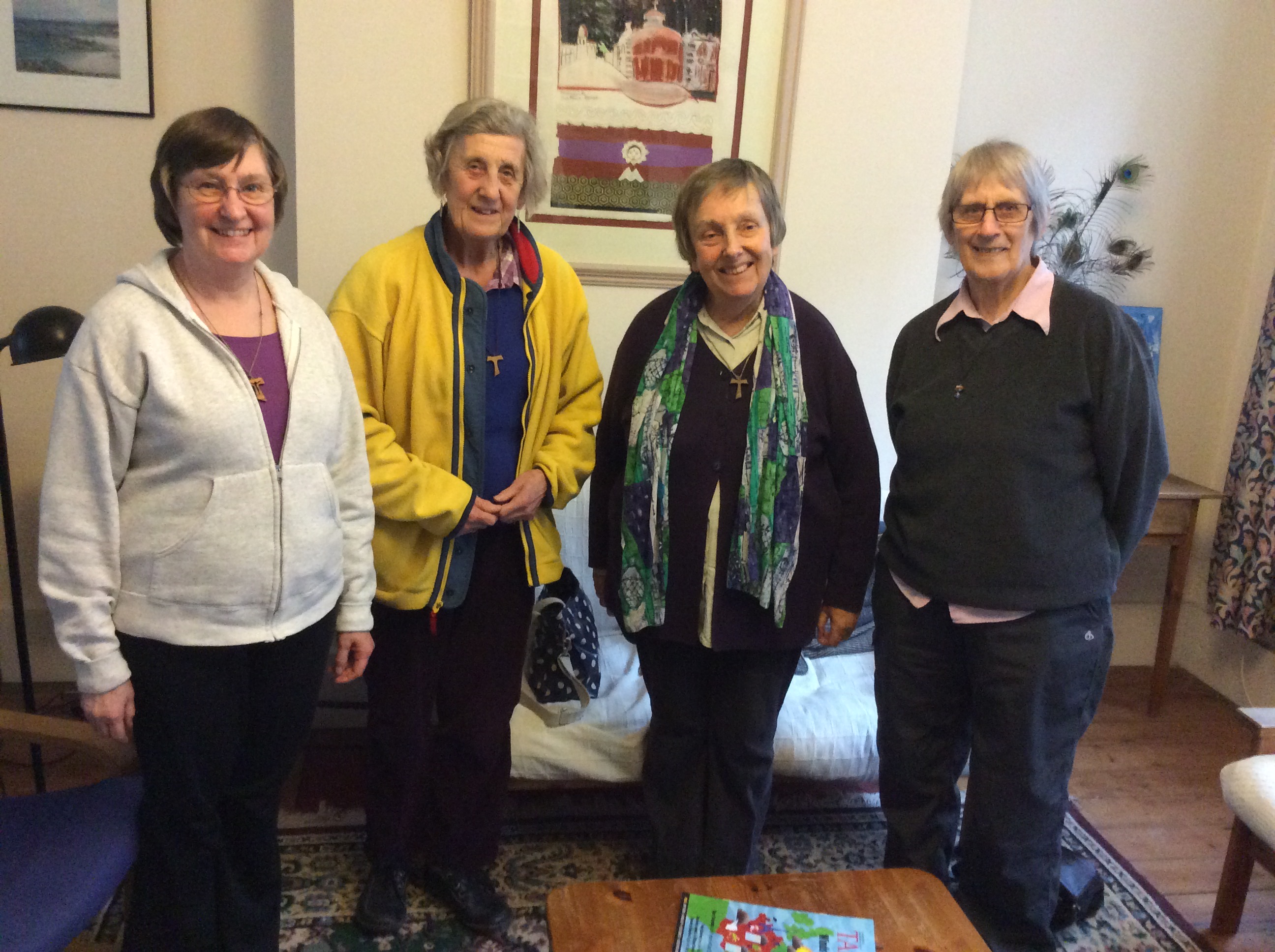
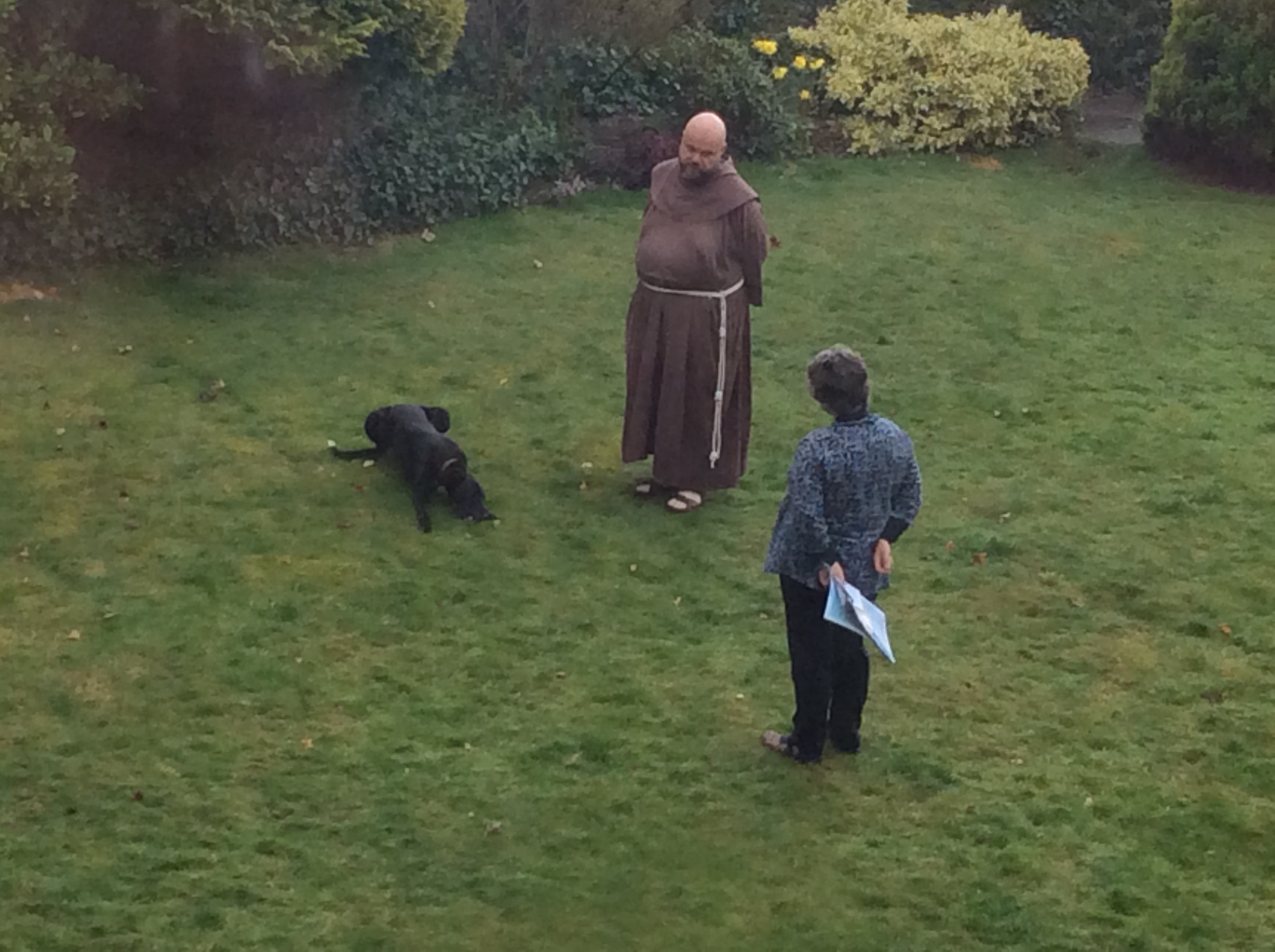
What impressed me most throughout the visit was the example set by the Franciscan brothers themselves. Their lives demonstrated the principles they professed. Simplicity, humility, poverty, kindness, hospitality, and prayer were not abstract ideals but realities woven into the fabric of daily life.
One particular incident remains vividly in my memory. One morning, a brother was walking from the chapel to the refectory through a gathering of guests who had assembled for morning tea. As he walked, his fingers moved gently over the beads of his rosary. His attention appeared completely focused, and his lips moved quietly in prayer. He seemed unaware of everything except the presence of God. Watching him, I was immediately reminded of St Paul’s instruction to “pray without ceasing” and “pray continually.” In that simple moment, I witnessed those words being lived out in an authentic and natural manner. Prayer was not confined to the chapel; it permeated every part of life.
The library became one of my favourite places within the community. It was a true sanctuary of learning and reflection. Bookshelves lined every wall from floor to ceiling and contained an extensive collection of works on Saint Francis, Franciscan spirituality, theology, Church history, and the Christian life. Often I would spend two or three hours there at a time, reading, reflecting, and browsing through texts that deepened my understanding of the Franciscan tradition. The library offered both intellectual stimulation and spiritual refreshment.
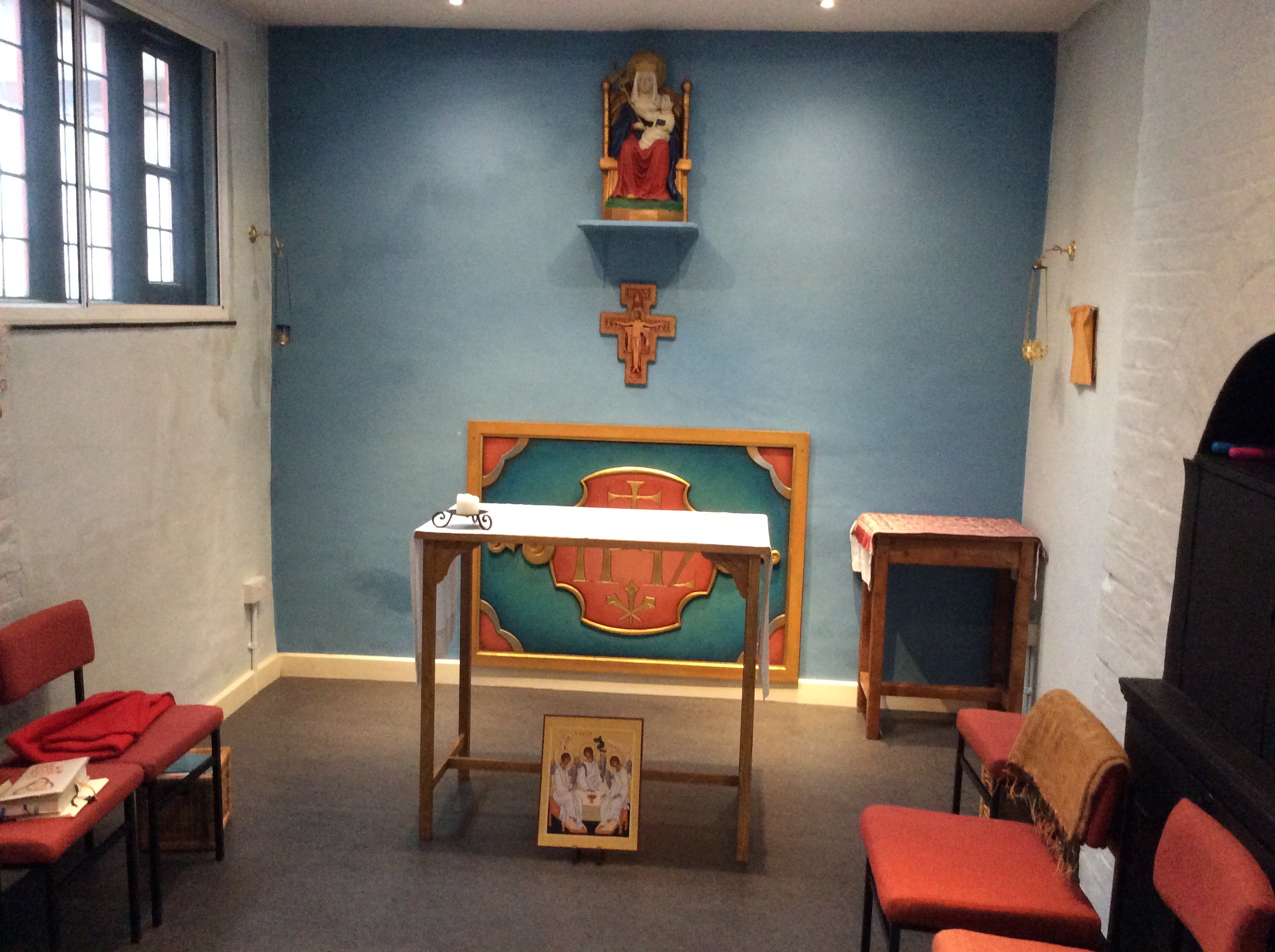
The chapel was another place of profound significance. Beautiful in its simplicity, it drew one naturally into prayer and contemplation. Attached to it was a smaller sanctuary where the Blessed Sacrament was reserved. This sacred space was always open to those who wished to enter quietly for prayer and reflection. There, one could escape the distractions and noise of daily life and simply rest in God’s presence.
The atmosphere within the sanctuary reminded me of the Holy of Holies described in the Old Testament. While different in form and theology, it evoked the same sense of reverence and sacredness. The silence itself seemed holy. Many times I sat there quietly, reflecting, praying, and enjoying a deep sense of peace.
One afternoon, we made an excursion towards Holy Island of Lindisfarne. We had hoped to cross the causeway and visit the island itself, but the tide was coming in and the road was already being covered by the sea. Consequently, we were unable to make the crossing.
Even so, the journey was unforgettable. The sky was clear, the sea sparkled in the sunlight, and the island stood before us with all its rich history and spiritual significance. From the mainland we could see the ancient buildings associated with centuries of Christian witness. Knowing the importance of Lindisfarne in the history of Christianity in Northumbria, I felt privileged simply to stand so close to a place that had played such a significant role in the spiritual history of Britain.
Although we never reached the island that day, merely seeing it across the water was an experience in itself. The beauty of the landscape, the changing tide, and the knowledge of the island’s sacred history combined to make the excursion one of the highlights of my stay.
All too soon, the time came to leave. As we journeyed back to London by road, I felt a genuine sadness. The days had passed quickly, yet they had left a lasting impression upon me. I had encountered not only the beauty of the Northumberland coast but also a living expression of the Franciscan spirit.
Looking back upon those days, I remain deeply grateful for the opportunity to share, however briefly, in the life of the Society of Saint Francis. The rhythm of prayer, the simplicity of the brothers, the beauty of the sea and countryside, the quiet refuge of the library, and the holiness of the chapel all combined to create an experience of renewal, reflection, and grace.
It was far more than a visit. It was a glimpse of a way of life centred upon God, lived with simplicity, humility, and joy. The memories of those days remain vivid, and the lessons learned there continue to inspire me many years later.